
I thought I understood the world. But this orb has been spun and spun and my vision of it now is, at best, fickle. What I truly feel of it is doubt; some days, anger; others, scorn. And beauty, when I look at my children, the way they continue to grow; beauty and hope. I stand with a burning candle inside my home by an open window. There, the darkness is held at bay. But for how long? What festers in the neighbor’s house will eventually get to mine. I know this intimately now: that a calamity is slow to reach us does not mean it wouldn’t eventually.
The wound of our world is not born unto the world alone. If it is on fire, it is our connected body that is burning.
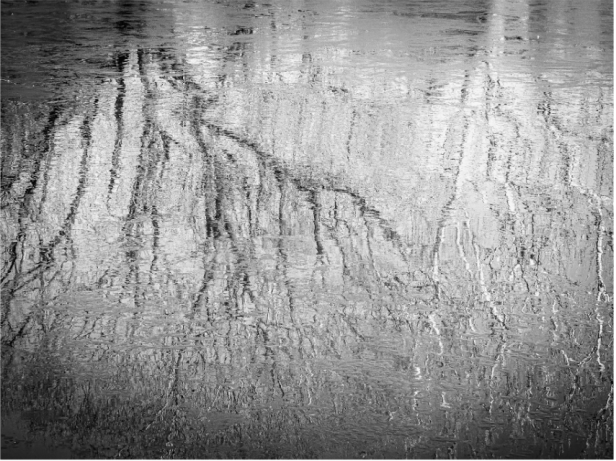
I spend most middays by a lakeside, Holmes Lake. It is mostly frozen during these winter months. But there is this unspeakable thrill that holds my body in wonder when half the lake unfreezes—not a neat line divides the two halves.
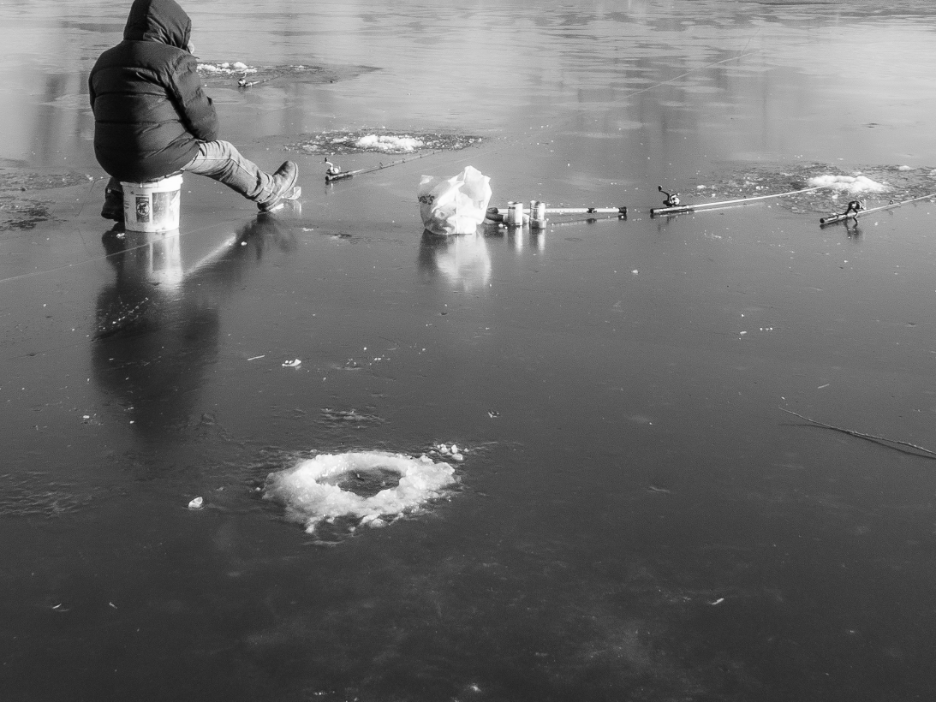
The ice fishers pack up. I like the texture they create, the drilled holes in the ice. It is both the universe and men making arts in this open workshop. We only recognize beauty in dearth; mundanity steals it from our eyes. But I come to see it every day. I am enriched by it.
Not just the hands of wind on water, or in the leafless branches of trees, but also the people who come and go. The dead trout. Dead, half its body buried in ice sheets—the last light of day thawing its head.
We live in a world of multitudes. I bring myself to the edge of water. I, too, become multitude—in a way that is tactile, with a little physical distortion, of course.
Every passing year, I understand that I do not fully understand myself. I understand the world. But myself? We have an infinite potential for surprise, and so what do I do? Well, the thing that I love to do always: to be lulled by the atmosphere, to walk the trails, to sit by trees and watch geese flap and flap their wings above water. Or more recently, walk bare-shank on frozen lake, basking in the precise spot where the fading sun’s rays hold sway and touch the ice. I wish I too can bask in that warmth. And there is warmth, a very chaotic one, burning from the fires we, humans, stoke.
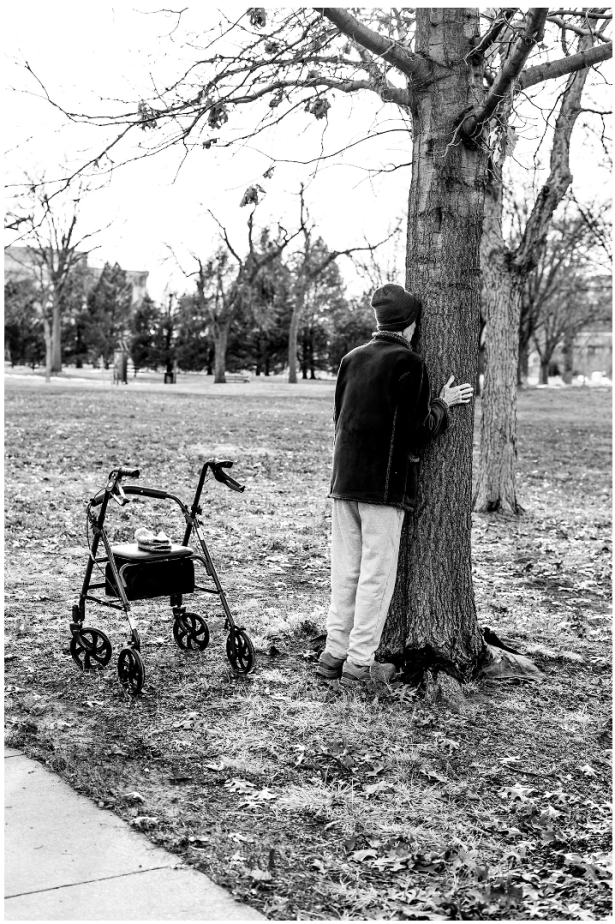
I remember a few weeks ago, sometime in December, on my often-long walks. I bumped into a scene where an old, frail looking woman removed her gloves and gently placed them on the seat of a rollator parked beside her in the dry pastures. It was a subzero temperature that day. She then proceeded to move slowly to a nearby tree and placed her palms on its bark, like it was the chest of a lost lover, then proceeded to lunge into a prolonged embrace. I stood, watching her and recognized grief. I assumed she must have frequented that tree with someone dear, and this was a ritual of retrieving whatever scent of memories that lingers in the leaves.
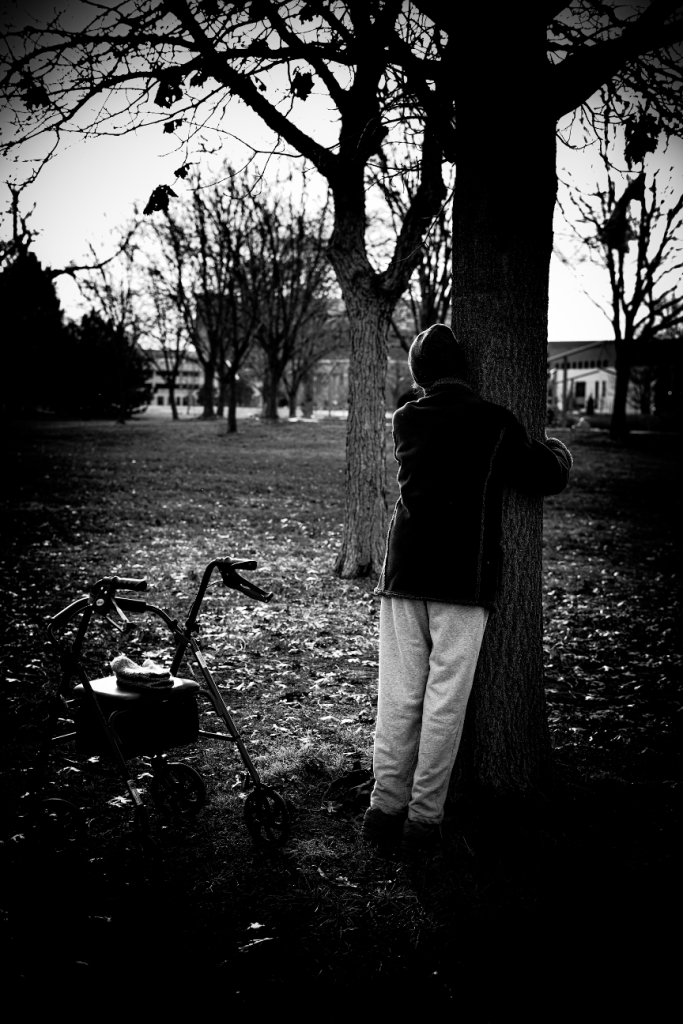
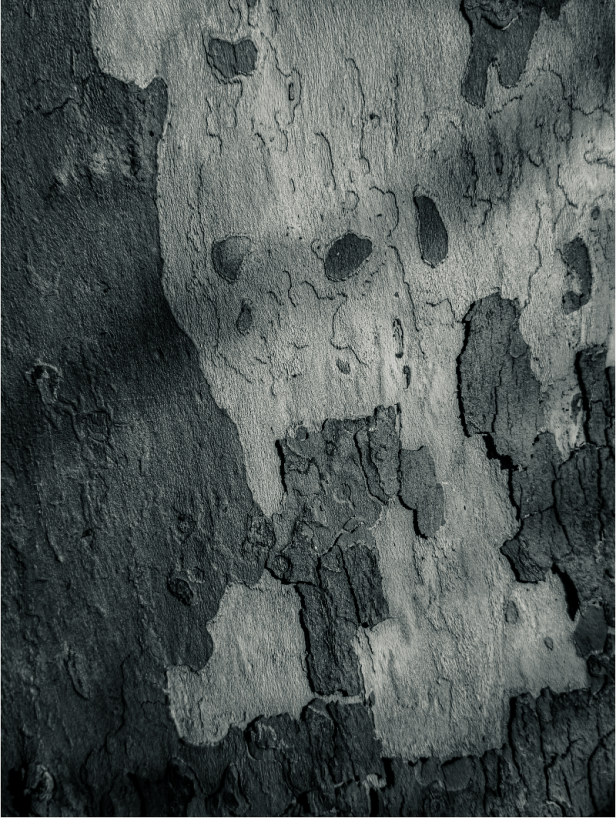
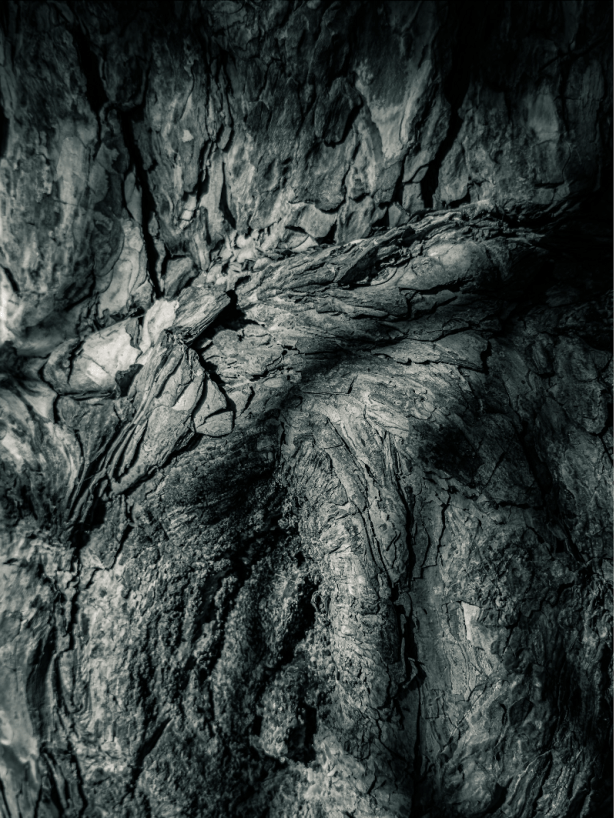
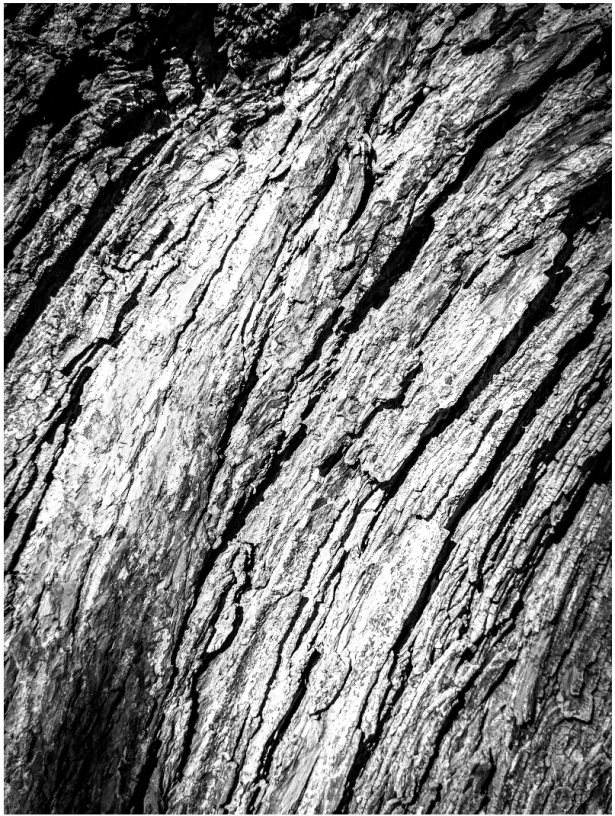
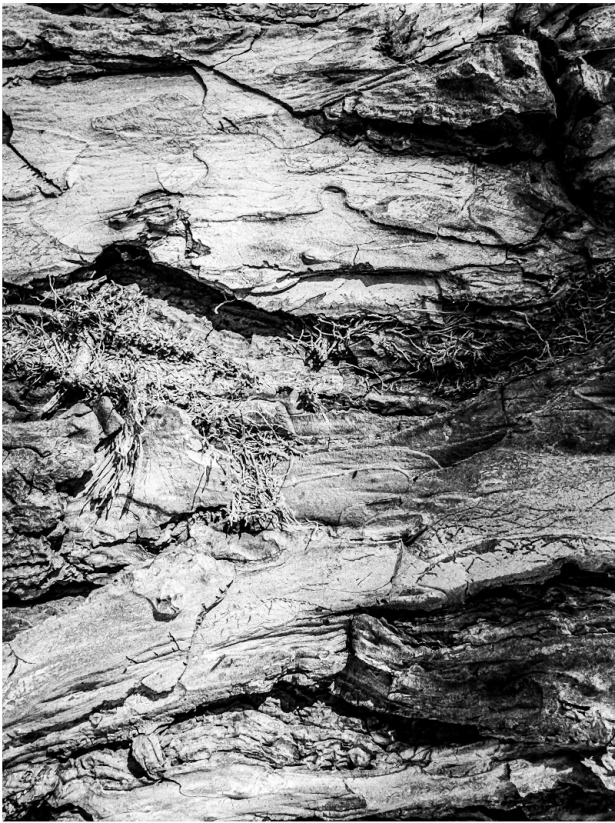
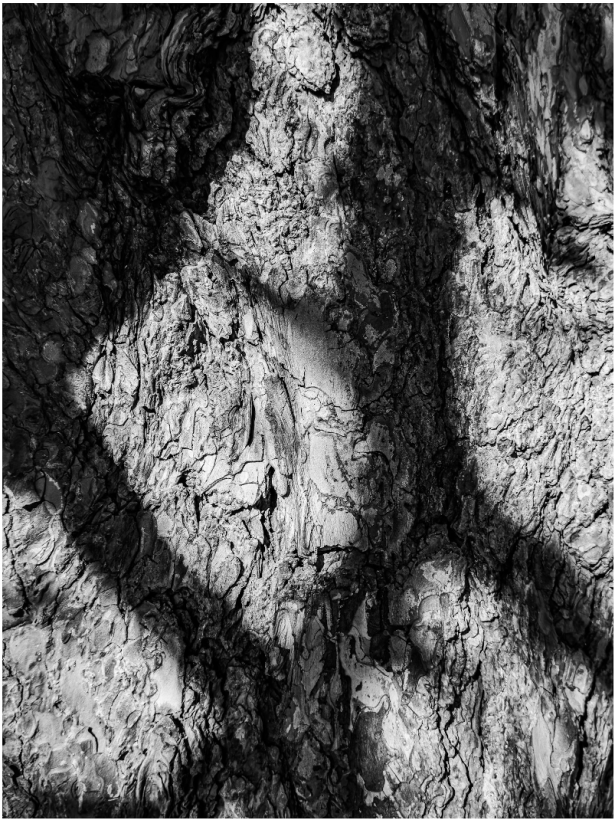
In a kind of homage, I have been taking photos of different tree barks, to purr the different textures of their voices. I listen by touching them. A kind of language we humans have devised to speak to trees or more aptly, to hear the hums of the stories they are reluctant to voice. An invasion of privacy, perhaps. But I love to think I am invited to eavesdrop. Amid all the industrial noise of my human existence, I mostly hear only calm.
About the Author:
Saddiq Dzukogi is a Nigerian poet and assistant professor of English at Mississippi State University. He is the author of Your Crib, My Qibla (Nebraska, 2021), winner of the Derek Walcott Prize for Poetry and the Julie Suk Award and shortlisted for the Nigeria Prize for Literature. His poems have appeared in Poetry Magazine, Kenyon Review, Prairie Schooner, Narrative Magazine, Ploughshares, Guernica Magazine, Poetry London, Best American Experimental Writing Anthology, and Cincinnati Review. He has received fellowships from the Nebraska Arts Council, Mississippi Arts Commission, and Cave Canem.
 Isele Magazine